Vehicle Management Software
All vehicle-related activities need to be managed properly, from tyres, insurance and RTO compliance to fuel filling and oil changes. A cloud-based ERP vehicle management system helps you automate these processes and maintain complete control over your vehicles.
With this vehicle management software, you can easily handle day-to-day vehicle operations while ensuring that important records and schedules are never missed. The system simplifies documentation and reduces manual effort, making vehicle administration faster and more accurate.
The solution also supports smooth generation of vehicle contracts and hire bills, ensuring that all paperwork is completed efficiently. Designed as a customized vehicle management system, it helps businesses stay organized, informed and proactive about vehicle maintenance, compliance and overall performance.
ERP Vehicle Management Software Solutions
Features of our vehicle management system

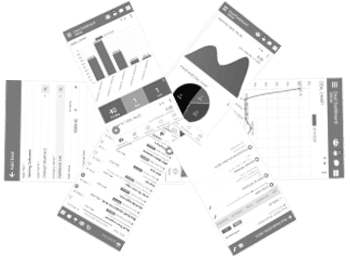
Vehicle Management Mobile App


Transport ERP Software
TheERPHub offers the best cloud-based customized ERP software for Transport business at an affordable range.
Our Transport ERP Software is made with advanced functions with advanced Security features like Database Security, File Storage Security, Accessing Resources, User Rights, Access logs, and IP Restrictions.
Transport Includes
- Freight & Fleet management.
- Vehicle & Tyre management.
- Fuel management.
- E-way Bill and E-Invoices.
" Smarter Vehicle Management ERP System for Better Business Results "
FAQ
To track fleet expenses accurately, every invoice should be connected to the correct vehicle inside your TheERPHub. This improves cost control, budgeting and vehicle-wise profitability analysis.
- Assign a unique vehicle ID or registration number to each truck or vehicle.
- Link fuel bills, repair invoices, toll charges, insurance and maintenance costs to that vehicle profile.
- Use digital invoice uploads to avoid missing paperwork.
- Categorize expenses such as fuel, tyres, servicing, driver allowances and permits.
- Record invoice date, vendor name and payment status for a clear history.
- Set approval workflows before final posting of invoices.
- Review monthly cost reports for each vehicle to identify high-expense units.
- Use automated alerts for overdue bills or unusual spending patterns.
With a cloud-based Transport ERP system, businesses can monitor real-time vehicle costs, reduce errors and make better fleet management decisions.
To determine where we get the most value out of investment for your business we need a modern ERP system.
- Connect vehicle tracking, trip logs, and delivery data with the billing module
- Sync fuel expenses, toll charges, and driver costs automatically
- Set billing rules based on distance, trips, load, or contract rates
- Auto-calculate charges using real-time transport data
- Generate invoices instantly after trip completion or delivery confirmation
- Review data through one dashboard before final billing
- Track payments, dues, and invoice history in one system
When fleet software does not connect vehicle usage with billing rules, many billing and operational problems can happen. Trips may be charged at the wrong rate, extra kilometers may be missed, waiting time may not be billed and toll or fuel charges may be left out. This directly reduces revenue and creates confusion in accounts.
Manual billing also becomes common because staff must compare trip records, driver logs and invoices separately. This wastes time and increases the chance of errors, duplicate charges or delayed invoices. Customers may dispute bills when charges do not match actual vehicle usage or agreed terms.
A connected transport ERP system solves this by automatically matching trip distance, hours, vehicle type, route charges and contract terms with invoices. It improves billing accuracy, speeds up invoicing and gives better control over fleet earnings.
A Transport ERP System makes vehicle maintenance tracking simple, organized and automated. It records every service activity and ensures no important maintenance schedule is missed.
- Stores complete maintenance history for each vehicle in one system
- Records oil changes, tyre replacement, repairs, battery checks and servicing dates
- Sends automatic alerts for upcoming services based on date, mileage or usage
- Prevents missed maintenance schedules and unexpected breakdowns
- Tracks repair costs, spare parts used and service frequency
- Helps plan preventive maintenance for better fleet performance
- Reduces downtime and increases vehicle lifespan
- Improves safety, compliance and day-to-day transport efficiency
Fleet tracking and accounting often become difficult to manage when both systems work separately. Without ERP, transport businesses face delays, errors and poor visibility because data does not move smoothly between operations and finance teams.
- Fleet tracking software stores trip details, fuel usage, GPS movement and maintenance records separately.
- Accounting software manages invoices, payments, taxes and expenses in another system.
- Manual data entry between both platforms increases mistakes and duplicate records.
- Delayed updates can slow invoicing and payment collection.
- Fuel costs and trip expenses may not match actual operations data.
- Management may not get real-time profit and cost reports.
- Teams spend extra time reconciling reports instead of focusing on growth.
- A transport ERP system connects fleet and accounts data in one place for faster, accurate decision-making.
Yes. A Transport ERP System can generate invoices automatically from completed jobs, trips, consignments or deliveries. Once the trip details, freight charges, fuel costs, tolls, extra services and delivery status are updated in the system, the invoice can be created instantly without manual data entry. This helps save time and reduces billing errors.
With TheERPHub Transport ERP System, businesses can automate invoicing, track pending payments, manage GST-ready billing and simplify the complete billing process from dispatch to payment collection.
